

Surge in US Doctors Turning to Offshore Trusts Amid Malpractice Litigation Fears
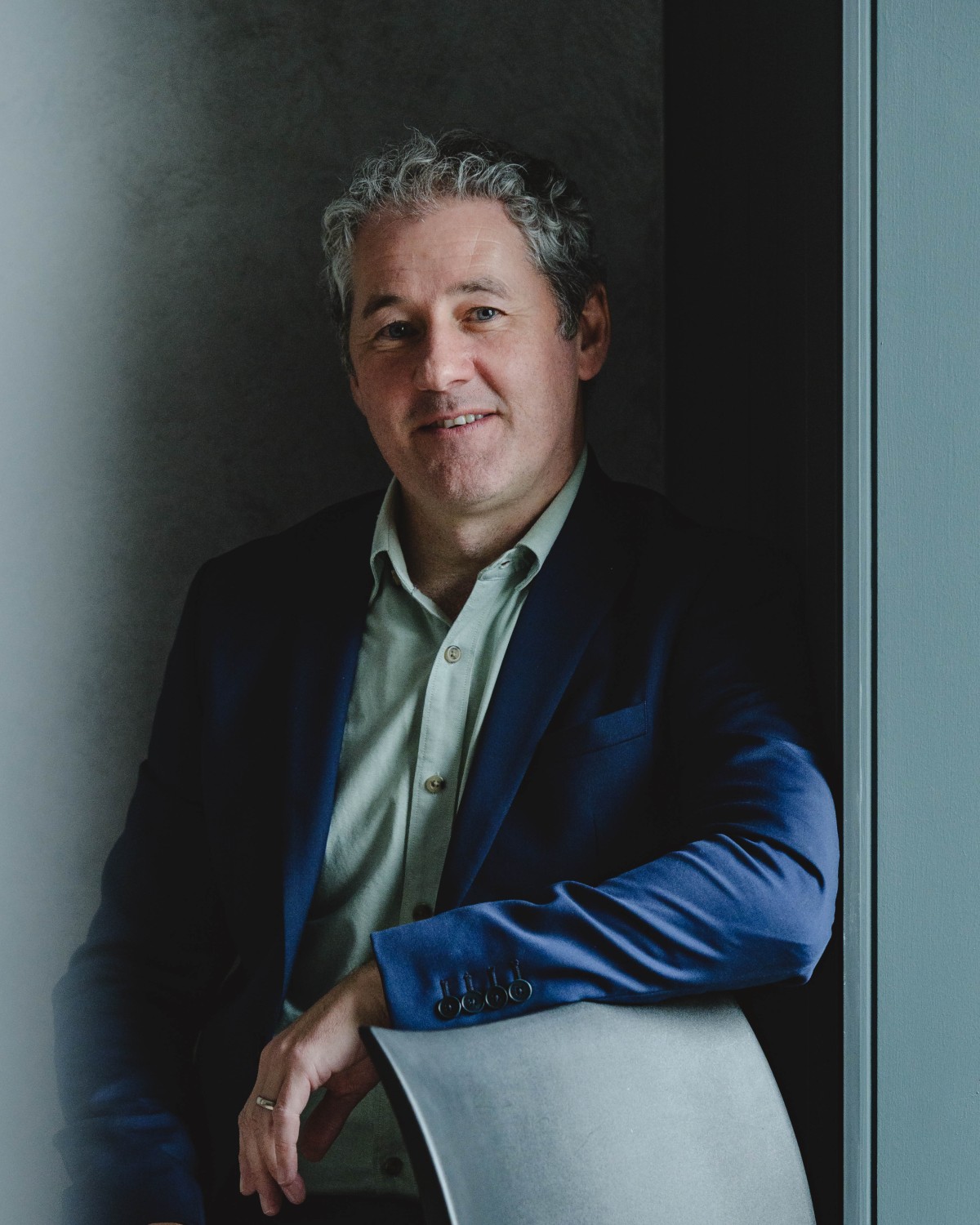
Matthew Smith, Southpac Group
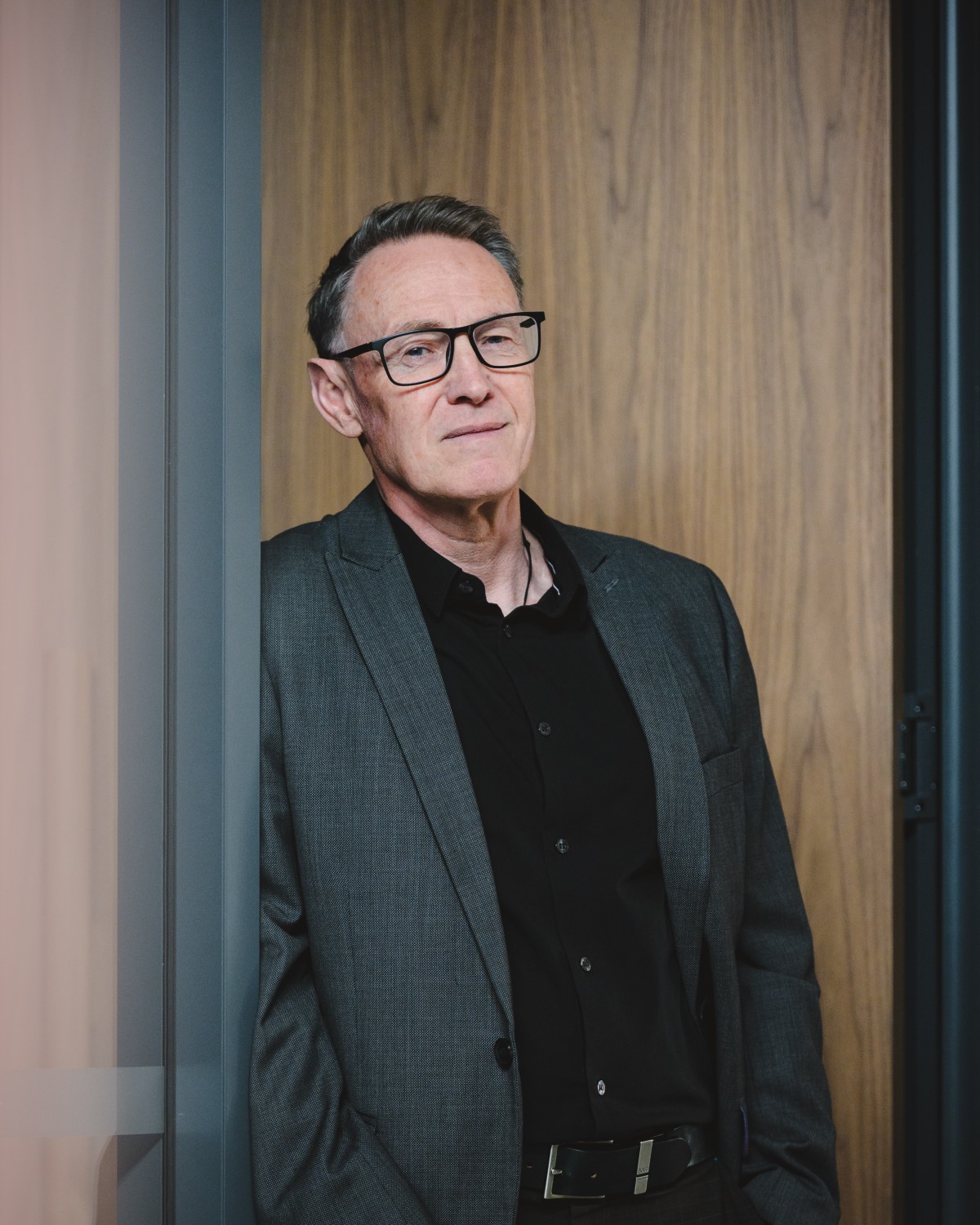
Mike Arand, Southpac Group
Southpac Group says US doctors are increasingly using offshore trusts as malpractice litigation fears rise across high-risk medical specialties.
The key point is that asset protection planning needs to happen before there is a dispute; once litigation is underway, it is usually too late to establish these structures effectively.”
LOS ANGELES, CA, UNITED STATES, July 1, 2026 /EINPresswire.com/ -- The number of US doctors moving wealth into offshore trusts has surged over the past three years amid rising fears over malpractice litigation, with physicians and surgeons increasingly using Cook Islands and Nevis asset protection structures before legal disputes arise, according to new data.— Matthew Smith, Southpac Group
New US research shows almost 60 percent of obstetricians and gynecologists report being sued at least once during their careers. More than half of general surgeons had also faced a malpractice claim, highlighting the long-term litigation risks facing many American medical professionals. The study also found doctors' risk of facing a malpractice claim increases over the course of their careers and varies significantly by specialty.1
Southpac Group, a specialist offshore trustee and asset protection services firm that manages around US$4 billion in assets, says new client numbers rose more than 290 percent between 2022 and 2025, with the United States now accounting for around 85 percent of its client base.
Matthew Smith, a lawyer and director of business development at Southpac Group, says many physicians, specialists and business owners are seeking asset protection before any dispute arises, because malpractice claims, insurance limits and litigation costs can expose personal wealth built up over decades.
“Most clients are professionals or company owners looking to protect assets they have spent decades building,” Smith says.
“For physicians in high-risk specialties, malpractice insurance is an important layer of protection, but it may not always be enough if a claim escalates beyond policy limits.”
Smith says offshore asset protection structures are far more common in the US than in countries with less aggressive civil litigation systems.
He says these structures are typically used as part of a wider risk management and wealth preservation strategy, not as a response to an existing claim.
“The key point is that asset protection planning needs to happen before there is a dispute,” Smith says.
“Once litigation is underway, it is usually too late to establish these structures effectively or appropriately.”
Southpac CEO Mike Arand says the firm was the first licensed trustee company in the Cook Islands and has established more than 4,000 trusts over the past 40 years.
He says medical professionals are now one of the firm’s fastest-growing client segments, with most clients holding between US$2 million and US$10 million in assets.
The Cook Islands became internationally known for asset protection trusts after introducing specialized legislation in the late 1980s designed to protect assets from future creditor claims, provided structures are established before legal action begins.
Arand says Southpac also uses Nevis, a Caribbean jurisdiction known for protective company legislation, as part of some client structures.
“Many clients combine a Cook Islands trust with a Nevis company, creating two layers of protection across separate jurisdictions,” he says.
“That combination is one of the reasons Cook Islands and Nevis structures are widely discussed in the US asset protection market.”
Offshore trusts have long attracted controversy, but Arand says Southpac operates a comprehensive due diligence program before taking on clients, including client verification, background checks, sanctions screening, politically exposed person checks and ongoing monitoring.
“Prospective clients can be declined outright where there are concerns around sanctions exposure, criminal activity, tax transparency or existing legal claims,” Arand says.
The Cook Islands was rated compliant or largely compliant across 38 of 40 recommendations set by the Financial Action Task Force in its latest international review.
The firm is now expanding its referrer network of attorneys, wealth advisors and other professional advisors across North America, including meetings with specialist asset protection lawyers in California and Florida, as well as Canada.
“There are thousands of lawyers across the US advising on domestic asset protection, but many still do not fully understand offshore structures,” Smith says.
“That represents a significant growth opportunity for us.”
Southpac currently administers trusts established by clients from 51 countries and employs teams across New Zealand, the Cook Islands, Nevis and the Philippines.
Arand says demand is expected to continue growing as more US professionals look beyond domestic planning tools and seek asset protection structures once associated mainly with ultra-wealthy investors.
“For many clients, this is not about secrecy or tax avoidance,” Arand says.
“It is about preserving family wealth in a legal environment where one major claim can put decades of work at risk.”
-ENDS-
Mark Devlin
Impact PR
mark@impactpr.co.nz
Becoming a Client | Perspectives | SOUTHPAC
Legal Disclaimer:
EIN Presswire provides this news content "as is" without warranty of any kind. We do not accept any responsibility or liability for the accuracy, content, images, videos, licenses, completeness, legality, or reliability of the information contained in this article. If you have any complaints or copyright issues related to this article, kindly contact the author above.
